
Andrea Biasca-Caroni
Ascona and the Birth of Alternative Modernity
During the late nineteenth and early twentieth centuries, the small Swiss town of Ascona became one of the most unusual cultural crossroads in Europe. Situated on the shores of Lake Maggiore, between Mediterranean atmosphere and Alpine isolation, Ascona attracted an extraordinary concentration of artists, writers, philosophers, mystics, anarchists, psychologists, dancers, political exiles, and spiritual seekers from across the continent.
Far beyond its image as a picturesque lakeside destination, Ascona gradually evolved into a living laboratory of alternative modernity. The nearby hill of Monte Verità became internationally known as a center for Lebensreform movements, vegetarianism, natural healing, free thought, communal experiments, artistic innovation, and spiritual research. Individuals searching for new forms of life and consciousness gathered there in reaction to industrialization, nationalism, materialism, and the growing crises of European civilization.
This lecture explores the cultural atmosphere that transformed Ascona into a symbolic meeting place between East and West, spirit and modernity, art and social experimentation. It examines the networks connecting Monte Verità with anarchist circles in Zurich and Berlin, the emergence of modern dance, psychoanalysis, theosophy, Dada, symbolism, and later the Eranos conferences, which made Ascona one of the major international centers for the comparative study of religion, mythology, psychology, and spirituality.
Special attention will be given to the remarkable personalities who animated the region, including Hermann Hesse, Carl Gustav Jung, Rudolf Laban, Hugo Ball, Erich Mühsam, Otto Gross, Mircea Eliade, Gusto Gräser, and many others who contributed to the unique intellectual and spiritual climate of the Locarnese.
Rather than interpreting Ascona merely as a historical curiosity, the presentation proposes it as a “genius loci” whose influence extended far beyond Switzerland and anticipated many themes of later twentieth-century counterculture: ecological consciousness, alternative education, communal living, body awareness, interreligious dialogue, spiritual experimentation, and the search for new forms of human identity.
More than a place, Ascona became an idea — a symbolic landscape where modern Europe attempted to imagine different possibilities for culture, society, and inner life.
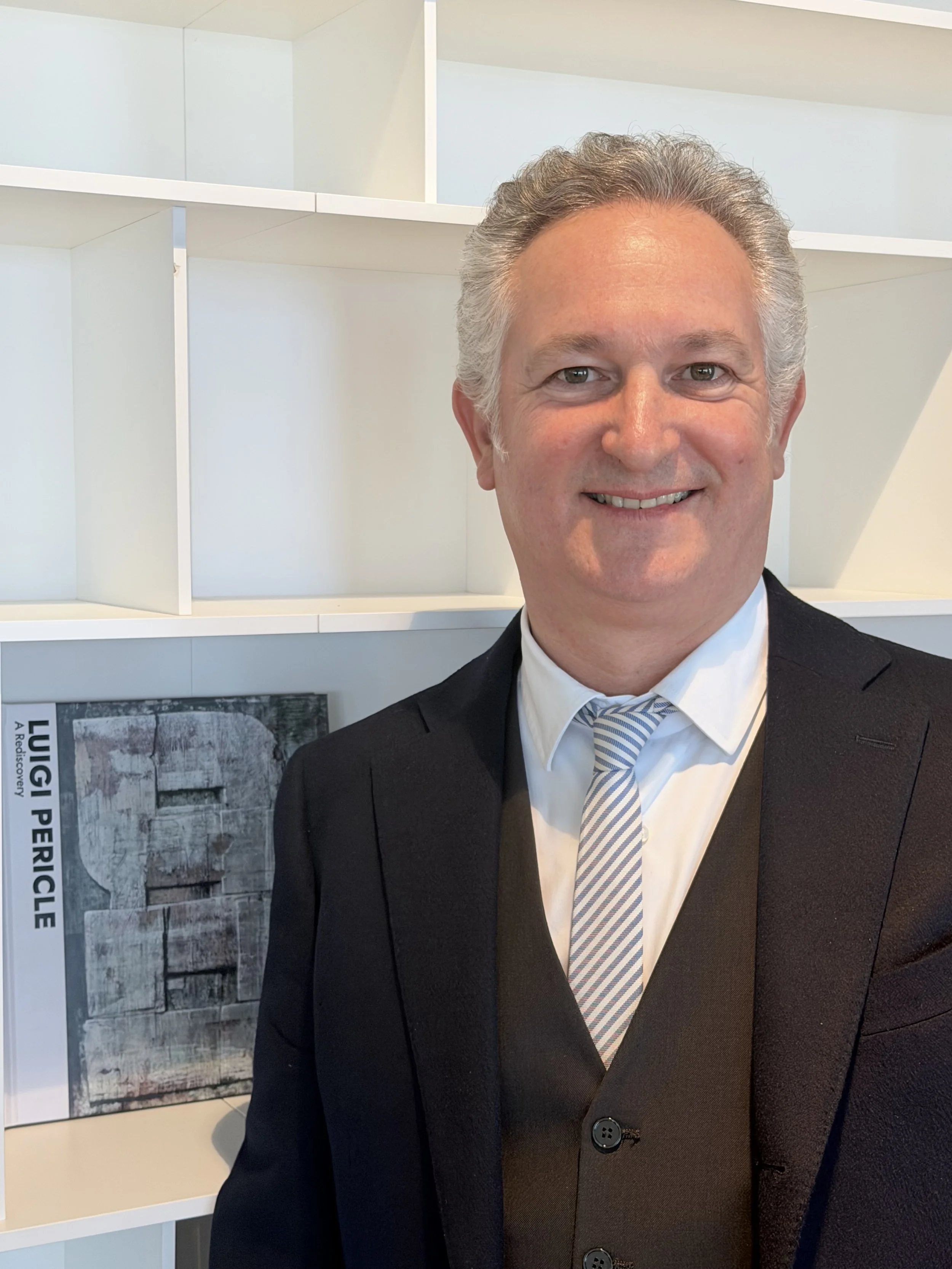
Andrea Biasca-Caroni was born in Locarno, Switzerland, in 1971. He holds a Bachelor’s degree in Business Economics of Hospitality Management and a Diploma ES from the Hotel Management School in Geneva. Since 1999, he has served as Director of Hotel Ascona, the family-owned hotel and seminar centre managed by three generations of the Biasca-Caroni family and closely connected to the cultural and intellectual history of Monte Verità.
For more than twenty years, Biasca-Caroni has conceived and directed international events devoted to art, cinema, culture, and interdisciplinary dialogue. In 2008, he co-founded the interior architecture firm L’Officina Home Interiors with his wife, Greta. Since 2014, he has also served as Presidential Agent of the Swiss Theosophical Society, pursuing research at the intersection of art, esotericism, and Theosophy and creating the research platform Theosophy and Art.
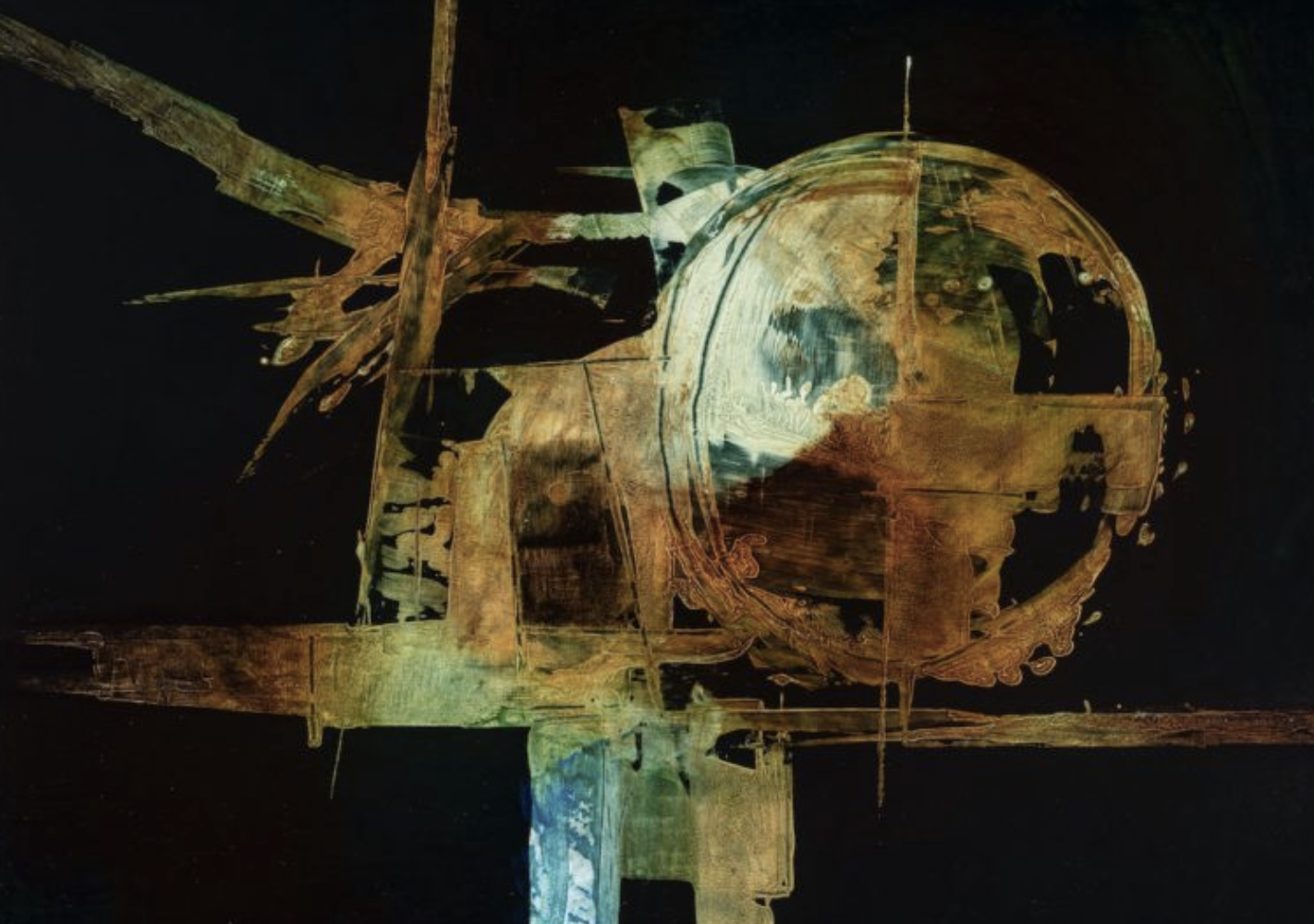
In 2016, Andrea and Greta Biasca-Caroni purchased the former Ascona home of artist Luigi Pericle (1916–2001), where they discovered thousands of previously unknown artworks, manuscripts, and archival materials. This discovery led to the reconstruction of Pericle’s artistic and intellectual legacy and, in 2019, to the founding of the non-profit Archivio Luigi Pericle, of which Biasca-Caroni is president.
His essays have been published by Silvana Editoriale, Scheidegger & Spiess, and Paul Holberton Publishing. In 2022, he edited Luigi Pericle: The Rediscovered Master, published by Nino Aragno Editore. He has lectured on Pericle, art, and esoteric culture at institutions including the Warburg Institute in London, the Royal Drawing School, and Ca’ Foscari University of Venice.