
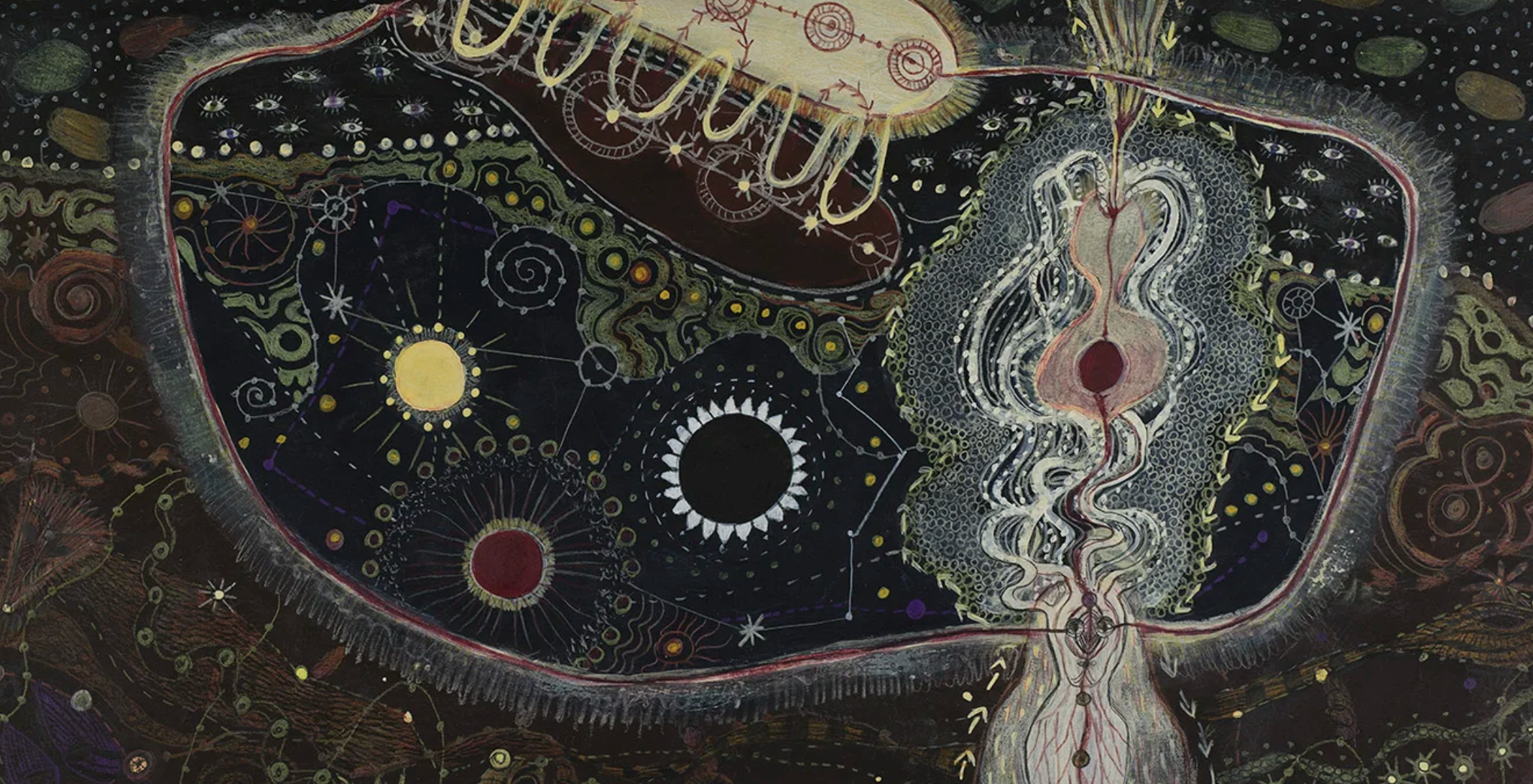
Daniela Boccassini
Entangled: How Jung Became Jung Through the Grail Myth
October 18, 2026 — 10 AM PT/ 1 PM ET/ 6 PM GMT
Jung had no doubt that Western civilization had failed to address the problem of evil. The hero myth and its foundations—the separative confrontation of opposites, culminating in the splitting of the atom—continue to lead the world toward destruction. A different myth is needed, one that can constellate a path of healing through the union of opposites.
Jung recognized in Parsifal and his transmutative return to the Grail castle a myth capable not only of averting the catastrophe of the Waste Land, but also of giving birth to a re-greening of the soul and the world. What this myth continues to ask of us is that we “dare to un-know”: that we forfeit human supremacy and embrace “the equality of all things,” in Carlo Rovelli’s words, so that the king and the land may live.
This lecture and seminar will explore how the Grail myth became a mirror for Jung’s explorations of the unconscious, and how it may speak to us today in light of contemporary understandings of reciprocity, interdependence, and the living ecosystems of the breathing planet we inhabit. In a Parsifal-like manner, Jung devoted his life to tending the kind of hope that can beget greening in the here and now. To live the myth that lives us is to learn to “wander in hope,” and to recognize that we unknowingly partake of an enveloping, transformative, more-than-human quintessence.
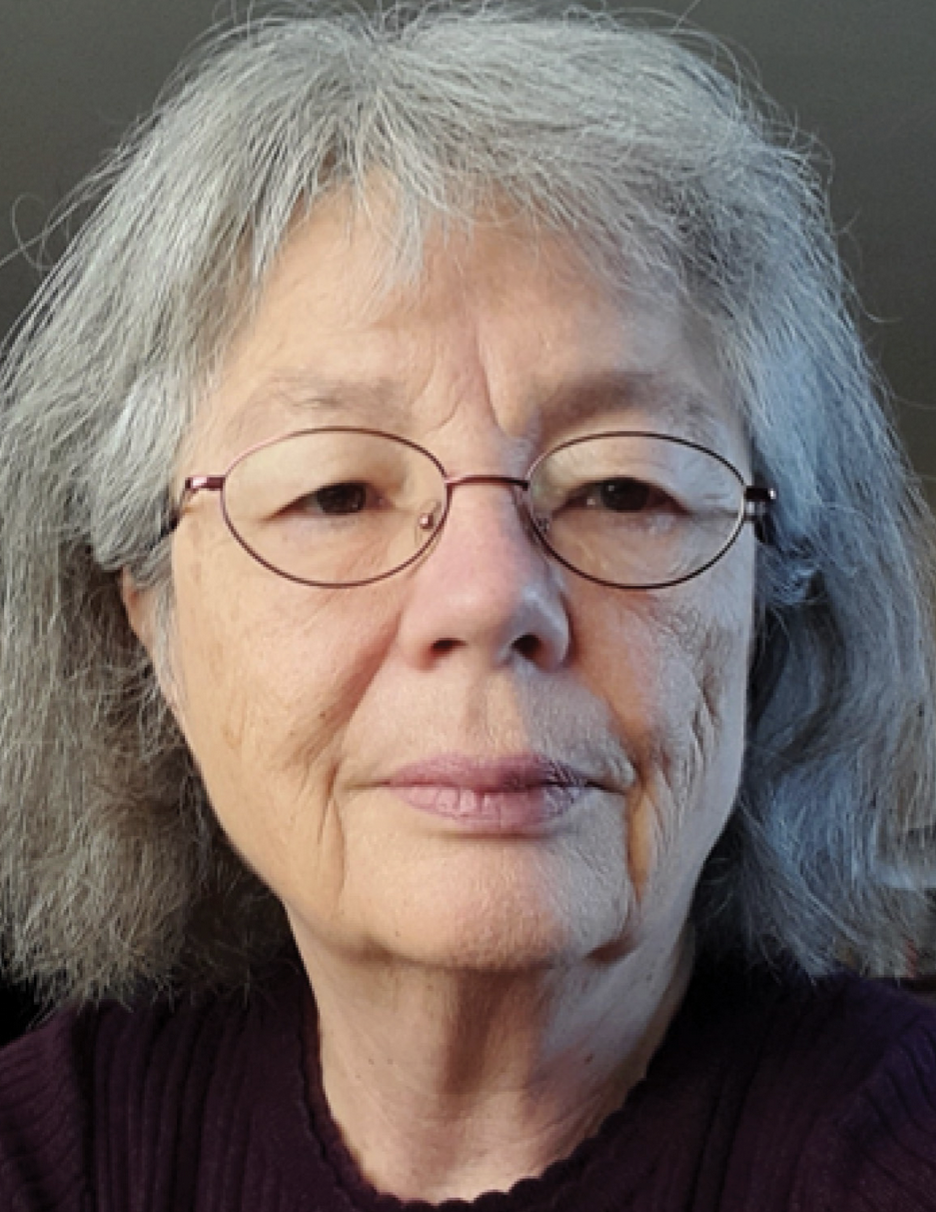
Daniela Boccassini, PhD, is Professor of Romance Studies at the University of British Columbia in Vancouver, Canada, where she teaches and writes in Italian and Romance Studies with a particular focus on the medieval and Renaissance worlds. Educated at the University of Paris-Sorbonne and the University of Milan, her scholarship moves across Dante studies, Jungian psychology, Hermetic and gnostic traditions, alchemy, ecology, myth, spirituality, and the imaginal dimensions of culture.
Her work is guided by two central concerns: gnosis, understood as knowledge grounded in lived experience rather than abstraction, and “wildness,” the indomitable interconnectedness of ecology, culture, and spirit. Bringing philological rigor into dialogue with visionary and symbolic modes of knowing, Boccassini traces the esoteric, feminine, and ecological dimensions of Mediterranean and European intellectual history with rare erudition and depth.
She is the author and editor of numerous books and essays, including Il volo della mente: Falconeria e sofia nel mondo mediterraneo (The Soaring of the Mind: Falconry and Wisdom in the Mediterranean World), Oikosophia: From the Intelligence of the Heart to Ecophilosophy, and Via nova: Emergences of the Beyond from Lascaux to Today.